
BEYOND OPULENCE: DESIGNING HOMES PEOPLE LIVE IN FOR GENERATIONS
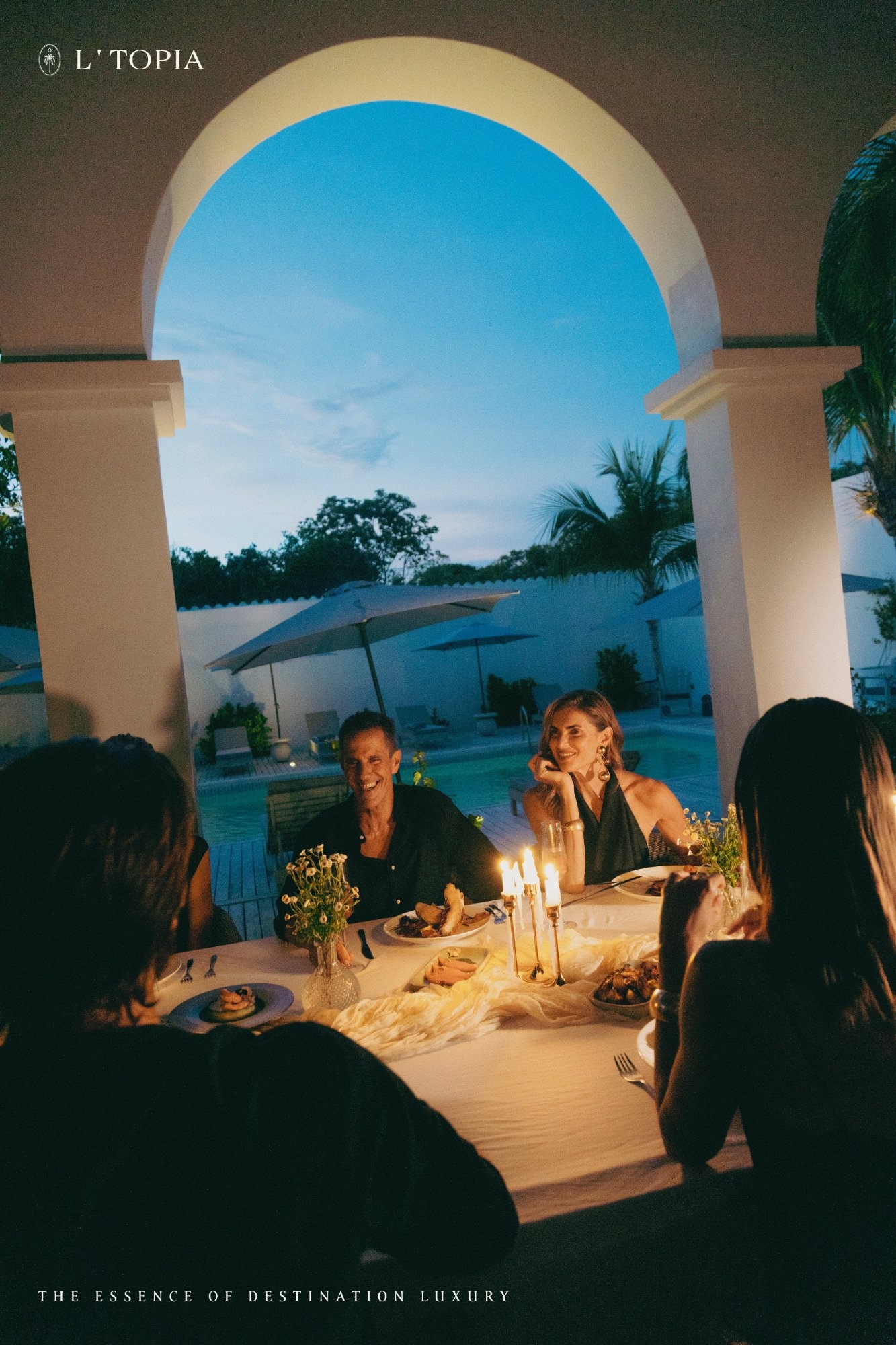
Most homes are designed to make an immediate impression.
Light, proportion, finishes, and visual coherence do their job quickly.
The space photographs well. The first few nights feel elevated. Guests respond. For a short period, the home performs exactly as intended.
What tends to surface later is something else entirely.
After several weeks of continuous use, a different set of criteria begins to matter. You notice that the sound of someone making coffee in the kitchen at 6 AM carries straight into the master bedroom.
The 20 foot ceiling that looked stunning on the tour means the AC runs constantly but the temperature never quite stabilizes, it's either too cold near the vents or stifling in the corners. You start closing doors you didn't plan to close. Avoiding the office during certain hours because the western exposure makes it unusable after 3 PM. Scheduling calls around when staff will be in the kitchen because the open floor plan that felt so spacious now means every conversation is public.
These aren't dramatic failures. They're small accommodations that accumulate into a background hum of friction you didn't sign up for.
Most developers don't talk about this because they're not designing for long stays.
They're designing for the first impression.
The tour, the photoshoot, the weekend visit. What happens in month three isn't part of the brief. The assumption is that homes are occupied intermittently, or that inconvenience can be absorbed as part of the experience. For people who spend extended periods in one place, those assumptions break down quickly.
Long stay living places very different demands on a space.
Layout becomes functional rather than aesthetic. You need a direct path from the kitchen to the outdoor dining area that doesn't route through the living room. Bedrooms can't share a wall with high traffic areas unless the insulation actually works. Storage can't be "creatively integrated" It needs to exist in the places you'll actually use it, which means near the entryway, in the bathrooms, adjacent to the kitchen workspace.
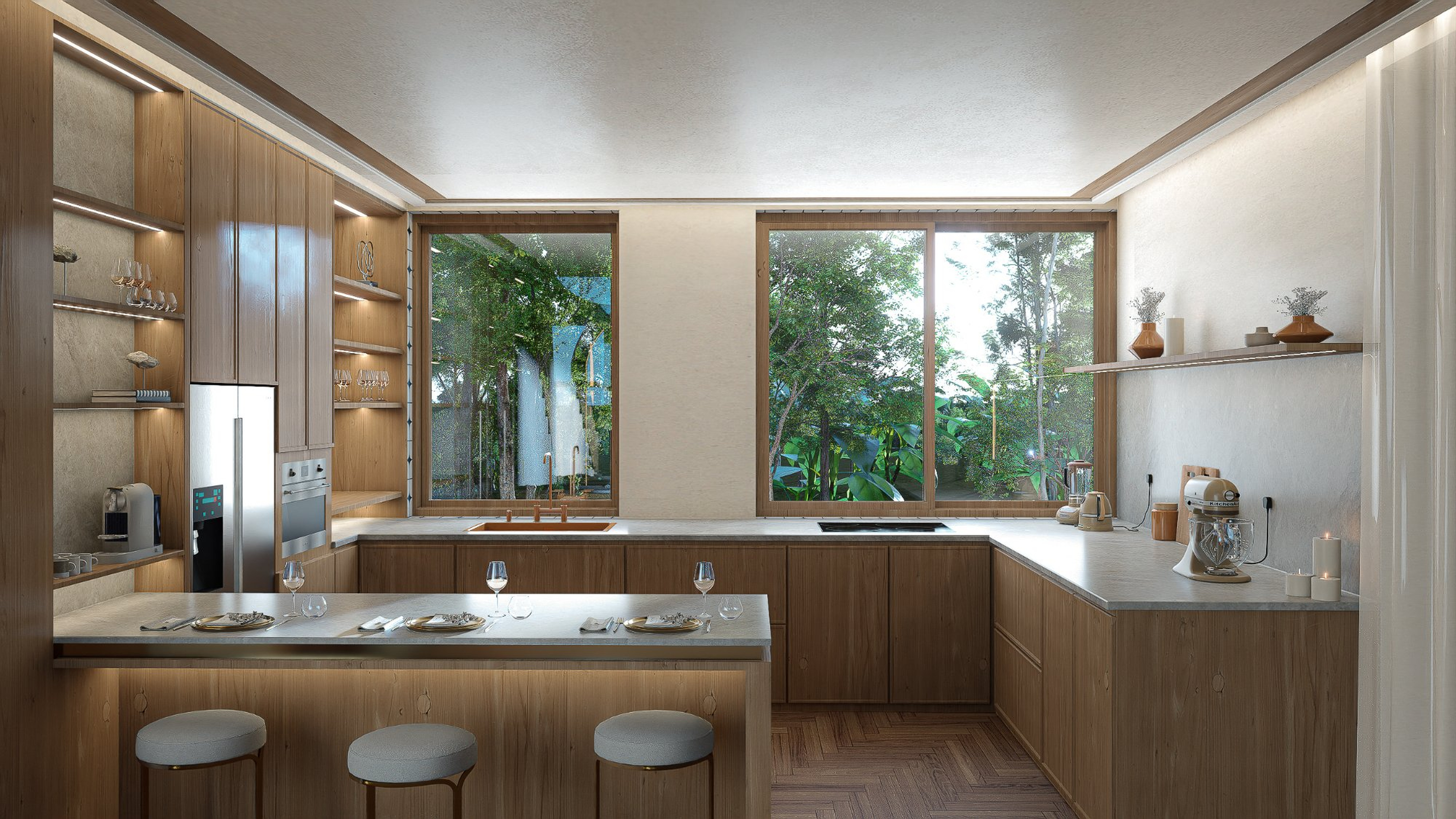
Kitchen Area, Los Arcos - The Genesis Collection, Riviera Maya, Mexico.
Kitchens stop being showpieces and start being tools.
The island that looked elegant becomes a bottleneck when two people are trying to prep dinner. The ventilation that seemed adequate on install day can't handle the reality of cooking three meals a day in 90-degree heat with 80% humidity. The lighting that created ambiance during the evening tour is insufficient for actually seeing what you're cutting at noon.
Bedrooms need to support consistent sleep, not just create a mood. That means the AC doesn't cycle loudly every twenty minutes. The blackout shades actually block light instead of letting in a glow around the edges at 6 AM. The walls are thick enough that you don't hear footsteps in the hallway or your neighbor's shower running.
One of the most common failures in high-end homes is overdesign without consideration for use.
Stunning in photos. Then you try to cool the space in August. Or you're on a work call and realize every sound from the kitchen, cabinet doors, the refrigerator opening, someone rinsing a glass carries straight into your office. The drama that sold the home becomes the feature you're constantly working around.
Minimal storage creates visual calm but daily friction. Where do the cleaning supplies go? The extra linens? The luggage between trips? The children's toys? The home office supplies? In well photographed homes, these things are often invisible because they don't exist yet. In lived in homes, they pile up in bedrooms, closets, or get shoved into spaces not designed to hold them.
Imported materials chosen for trend rather than climate degrade faster and require constant management. The Italian marble that looked flawless at handover develops hairline cracks within six months from thermal expansion. The hardwood floors that were supposed to age beautifully warp in the humidity. The metal fixtures corrode. Suddenly you're managing a maintenance schedule you didn't anticipate, calling specialists, coordinating repairs, making decisions about things that were supposed to be permanent.
Homes designed for long stays behave differently.
They anticipate routine. Storage exists where it's needed, not hidden behind decorative panels that require moving furniture to access. Kitchens are laid out for repeated use, with proper ventilation that actually evacuates heat and moisture, task lighting that illuminates work surfaces, and enough counter space that prep and cleanup don't compete for the same six square feet.
Bedrooms are insulated acoustically and thermally so sleep quality remains stable regardless of what's happening elsewhere in the home or outside. You don't feel the afternoon sun bleeding through the walls. The room stays dark when it needs to be dark and cool when it needs to be cool without running the AC at arctic levels.
Airflow is managed deliberately. Ceiling heights are chosen for performance, not drama. Window placement creates cross-ventilation. Overhangs block direct sun. The home reduces reliance on mechanical cooling without sacrificing comfort, which means lower utility costs but more importantly means the space doesn't feel like you're fighting the climate.
Equally important is what the home does not require. Fewer adjustments. Less maintenance decision making. Fewer small problems that accumulate into background stress. You're not constantly thinking about the house. You're not making accommodations. You're not developing workarounds. When a space functions well, it recedes from attention. The home stops asking to be managed and simply supports daily life.
This is where many luxury properties quietly fail. They are built to impress at handover, not to disappear into the rhythm of everyday living.
Owners begin adapting their behavior to the house instead of the house supporting them.
You start avoiding certain rooms. Scheduling your day around the home's limitations. Managing its quirks. Over time, the relationship becomes inverted and you're serving the house instead of the house serving you.
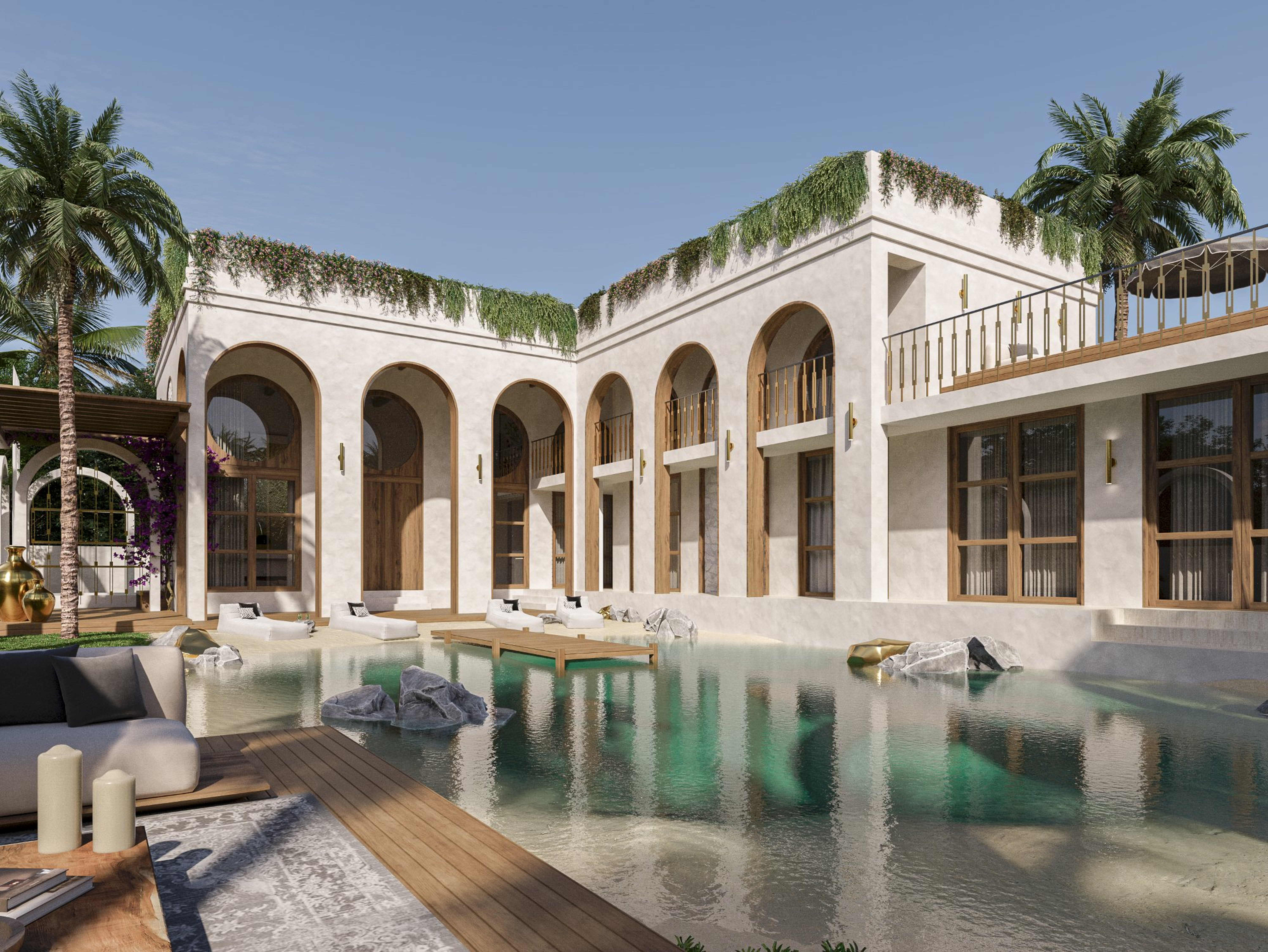
Los Arcos - The Genesis Collection, Riviera Maya, Mexico.
Homes that are meant to hold long stretches of life are designed with a different priority set. Durability over novelty. Comfort over statement. Predictability over flexibility. These choices are less visible in a brochure, but they define how the space performs over months and years.
In climates like the Riviera Maya, design mistakes don't hide. A poorly ventilated bathroom develops mold within weeks. Stone that looks elegant in a showroom becomes scalding to walk on barefoot by noon. Skylights that flood a space with light also flood it with heat beautiful at 8 AM, unbearable by 2 PM.
Materials either perform or they fail.
There's no middle ground. The environment rewards restraint and penalizes excess.
For people who spend extended time in one place, the quality of a home is not measured by how it feels on arrival, but by how little attention it requires once life settles in. When the home works, energy returns to work, family, health, and rest rather than being consumed by managing the space itself.
The difference isn't philosophical.
It's whether you wake up and think about your home, or whether you wake up and the home has already done its job.
One demands your attention.
The other earns its invisibility.
contact us