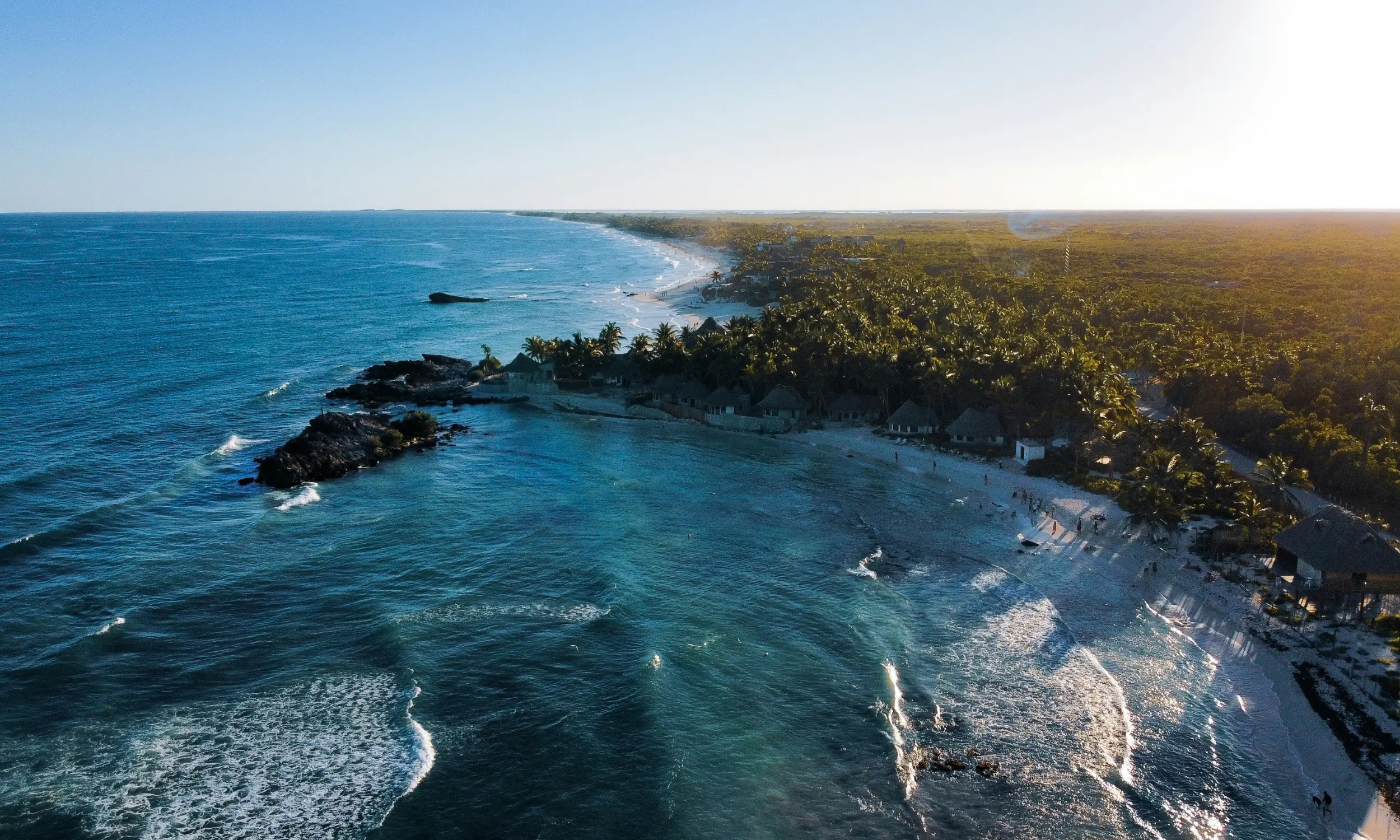
THE FUTURE OF LIVING IN TULUM WITH CO-FOUNDER AGUSTÍN HELGUERO LEONE
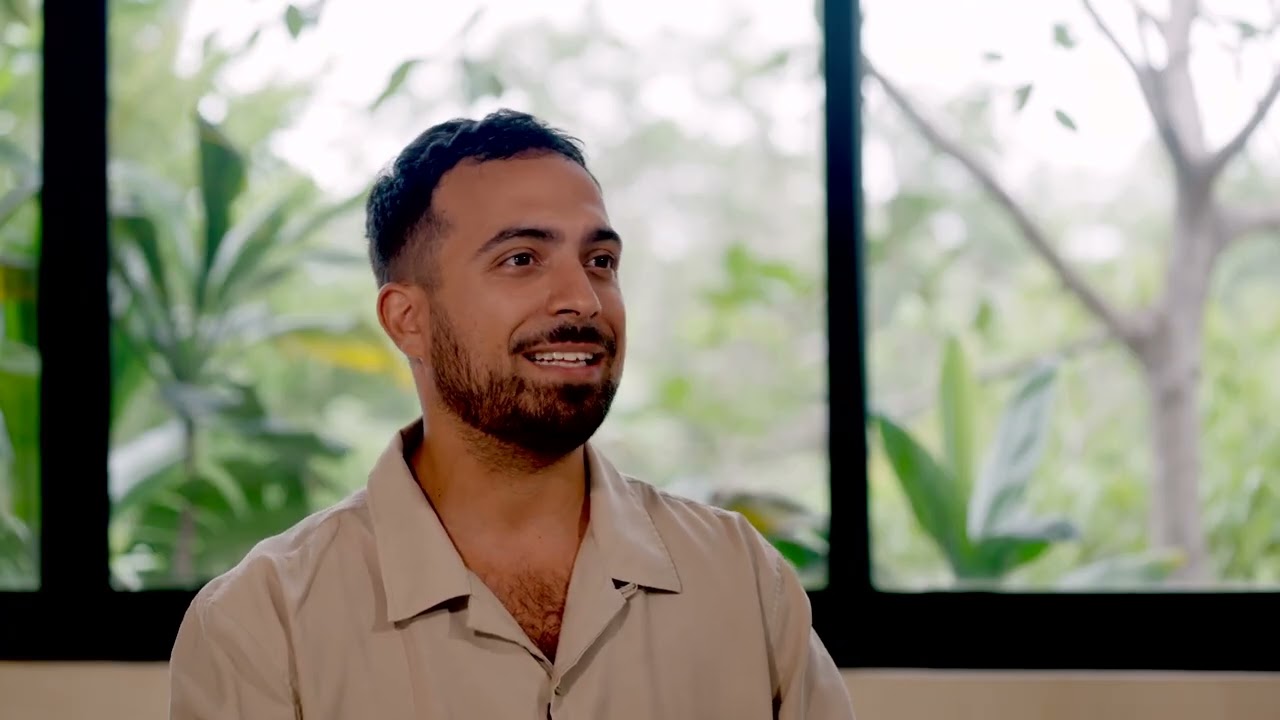
Tulum is no longer simply an escape.
It is becoming a decision.
In conversation, Co-Founder Agustín Helguero Leone doesn’t describe the region as a trend or a boom. He speaks about it as something that unfolds over time. “To Tulum I arrived almost by intuition,” he says. “I fell in love with it.” That was years ago, before the acceleration, before the headlines. What drew him then was not volume, but atmosphere the rhythm of the place, the people gravitating toward it, the feeling that life moved differently here.
That rhythm is now attracting a different kind of commitment. For years, Tulum was framed as seasonal a retreat, a destination, a temporary departure from urban intensity. But the Riviera Maya has matured. Private healthcare networks such as Hospiten and Galenia provide direct-access care. International schools continue expanding.
Connectivity has strengthened. Remote work has redefined what it means to relocate.“Many people think that Tulum is just a touristic destination,” Agustín explains, “but that has been changing in the last few years.” What began as curiosity has become long-term positioning. People are no longer asking where they want to visit. They are asking where they can structure part of their lives
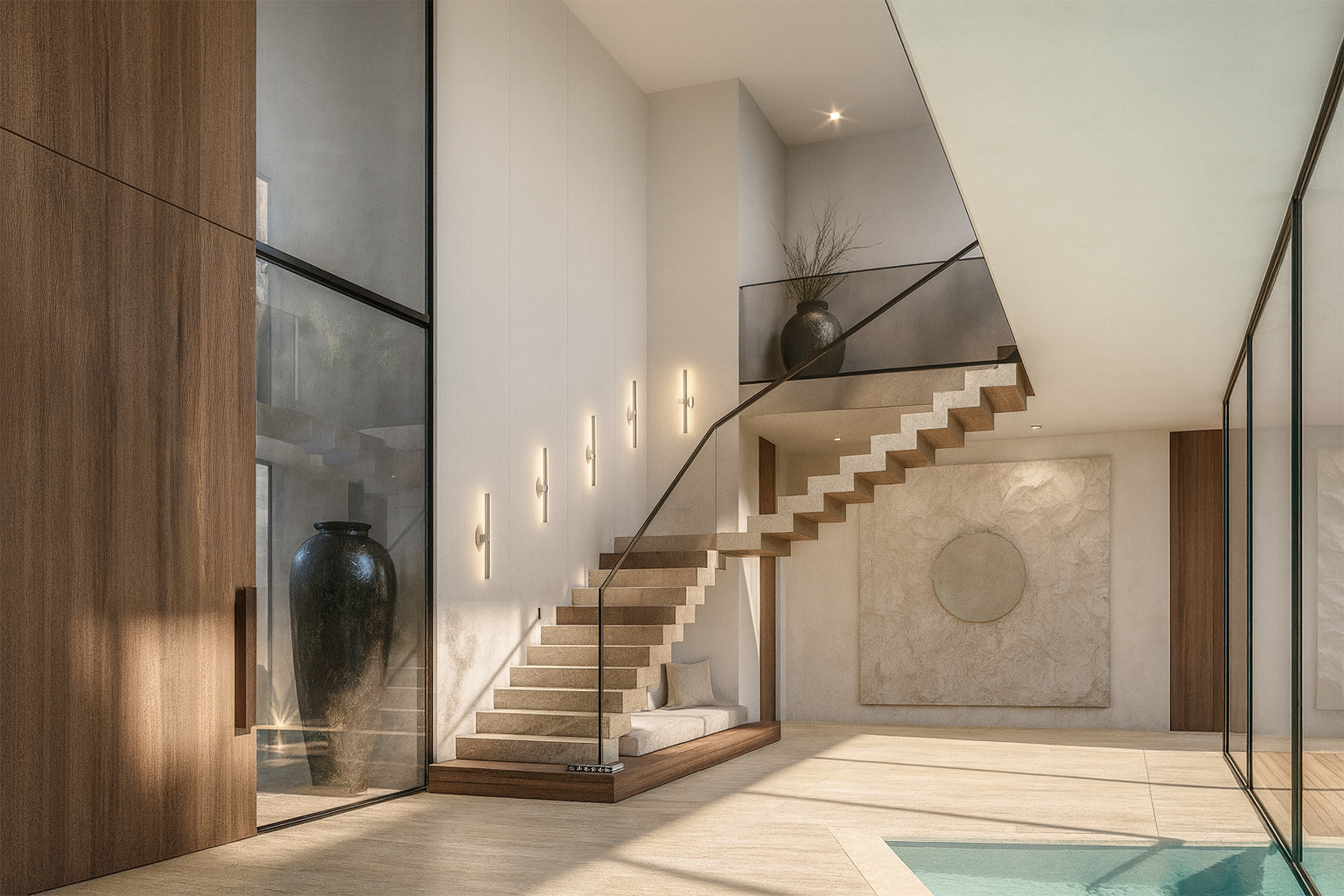
Casa Zapote - The Genesis Collection, Riviera Maya, Mexico.
The appeal is not spectacle.
It is contrast. “When you are in a big city you are used to a more stressful life,” he says. “Here everything is more about peaceful and silence and just breathing fresh air.” That shift from constant acceleration to measured rhythm reshapes daily behavior.
Early mornings feel different. Work feels different. Thought feels different. For entrepreneurs in particular, he notes, it becomes “a peaceful place that allows your time to develop your ideas.”
As the region evolves, so too must the architecture that defines it. Tropical climates do not reward imported design philosophies. Glass heavy forms conceived for temperate cities struggle under Caribbean humidity and sun exposure. Mechanical systems can compensate, but they cannot replace intelligent orientation. The next generation of development in Tulum understands this. Cross-ventilation, shaded overhangs, thermal mass, humidity-resistant materials. These are not aesthetic gestures, but environmental necessities. Buildings that perform quietly, that remain breathable, that feel balanced before systems are activated.
These are the structures that will age well.
Part of that maturation is geographic. Agustín speaks about the Pino Suárez district.
Often referred to as Tulum 2.0
.jpg)
Living Room, Hacienda - The Genesis Collection, Riviera Maya, Mexico.
As a turning point it sits close to the beach, connected to the hotel zone, yet positioned behind it in a way that preserves privacy. “It’s the closest area to the beach… but behind the hotel zone, which gives quietness and privacy while still allowing access.” Importantly, the planning signals restraint. “There are going to be fantastic homes set in a natural setting.” Low density. Residential intention. A shift away from condominium volume toward permanence.
Wellness in this context, is not branding language. It is structural. “It’s not just from the things that you do in a daily routine,” Agustín says. “It’s also from the place that you live which is so important because it conditions your actions.” Air quality, light, sound, vegetation.
These variables shape physiology and mood whether acknowledged or not. In Tulum, the ecosystem does part of the work. “We are already used to breathing an amazing quality of air,” he notes, referencing the ocean breeze and jungle landscape. Architecture, then, becomes a partner in that regulation rather than an interruption of it.
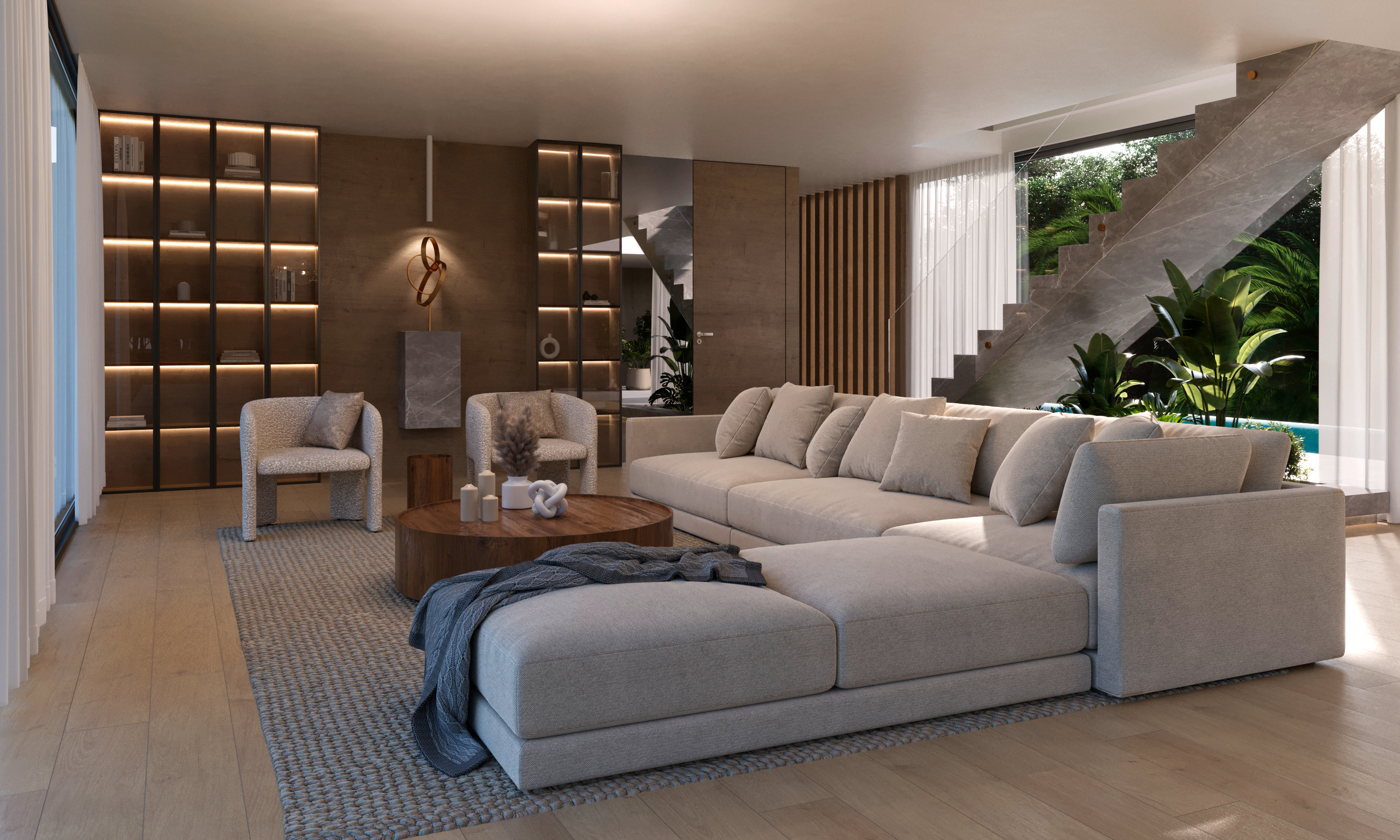
Living Room, Ananda - The Genesis Collection, Riviera Maya, Mexico.
Security and stability are questions that surface naturally when discussing Mexico. Agustín addresses them directly. After nearly a decade living in the region, he describes it as “a fantastic place to live,” emphasizing the role of private communities and structured planning in reinforcing privacy and protection.
The broader point, however, is about quality of development. As more families, founders, and long-term residents place capital here, the standard rises.
Looking ahead Agustine believes the region’s future is tied to a global recalibration. “As life is accelerating… people will start to value more natural places.” The tension between automation and nature density and space, speed and rhythm, will continue to shape relocation decisions worldwide.
In that environment, Tulum represents not escape, but balance, a place where technology and business can continue, but where environment restores contrast.
Climate intelligence, sanctuary and permanence, this is the framework behind L’TOPIA.
Not a seasonal project, but a residential response to a region that is maturing into something more enduring.
For those considering Exploring, you can request a private introduction to the community and see current availability by clicking the 'request a showing' button on the bottom right hand side of this page.
contact us